What's Actually Different About Appraising a Horse Property in San Juan Capistrano
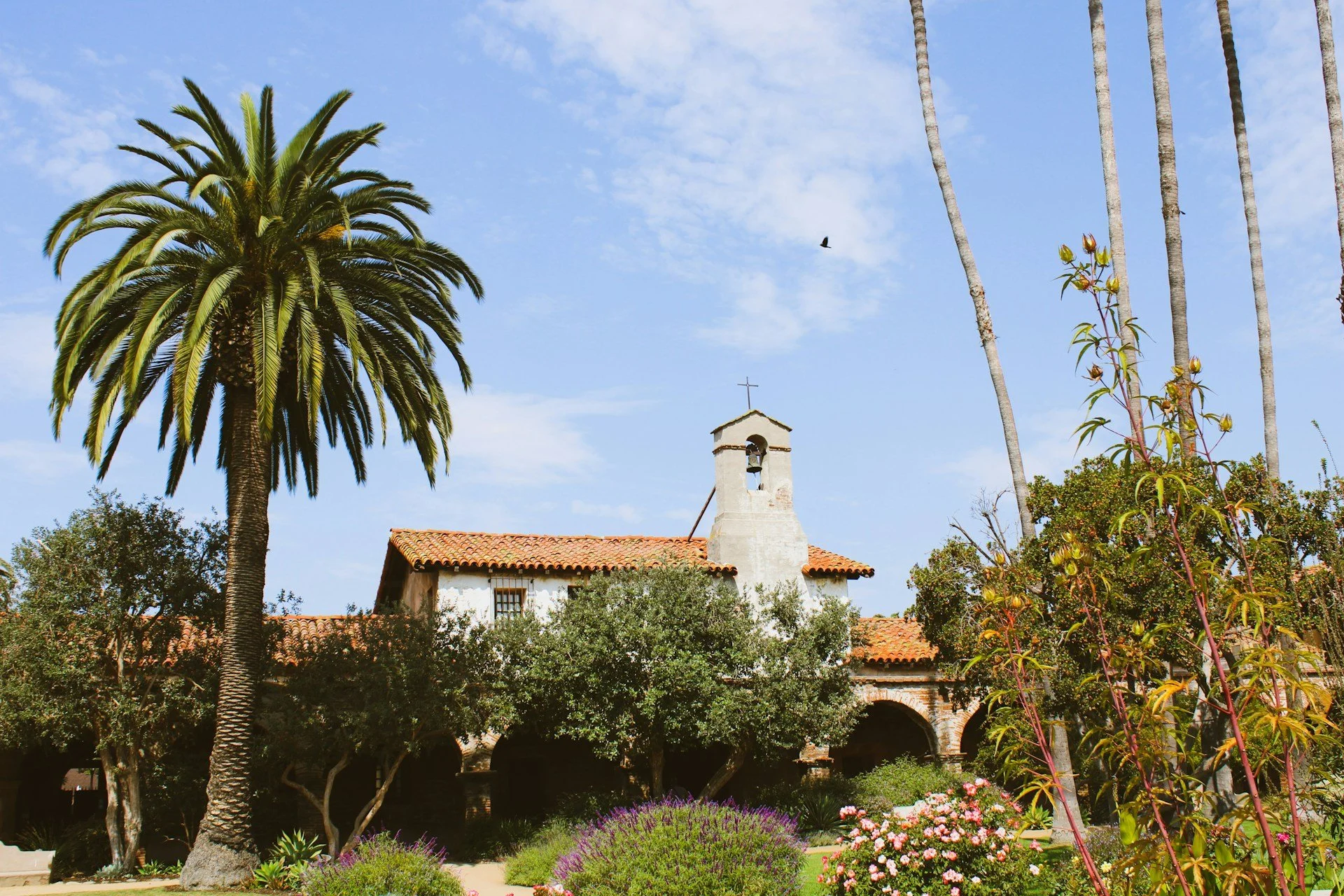
San Juan Capistrano has held onto something most of south Orange County let go of decades ago: real equestrian and acreage zoning. Horse trails, working barns, arenas, and lots measured in acres rather than square feet, sitting a few minutes from the freeway. As a San Juan Capistrano appraiser, these are some of the most interesting files I get — and also some of the easiest to get wrong if you're not used to them.
Why these properties don't play by tract-home rules
A standard residential appraisal leans hard on one thing: a healthy pool of recent, nearby, similar sales. Equestrian and large-acreage properties break that assumption almost immediately. There simply aren't very many of them, they don't sell often, and the ones that do sell vary wildly in what they actually offer — a stable with two stalls and a pasture is not the same asset as a full arena, wash racks, and a barn manager's quarters, even if the acreage on paper looks similar.
An appraiser's read: the questions that matter here and nowhere else
Comparable sales are genuinely scarce, and that changes the process. When there might be only a handful of true equestrian-property sales in the area over the past year or two, the comp search has to widen — sometimes across a broader radius, sometimes across a longer time window than a typical appraisal would use — with heavier, well-documented adjustments to bridge the gaps. That's not a shortcut; it's the only honest way to do it when the data pool is this thin.
Usable, flat, buildable acreage is worth far more than total acreage on paper. Ten acres of steep, unusable hillside is not the same asset as five acres that are flat, graded, and ready for a ring or a second structure. Part of the job is separating the acreage number a listing advertises from the acreage that's actually functional — and pricing the property on what's usable, not just what's deeded.
Improvements like barns, arenas, and outbuildings need their own valuation logic. A well-built four-stall barn with a covered arena represents real construction cost and real income potential if the property were ever leased for boarding — which means the cost approach and, in some cases, an income-based lens play a bigger role here than they would on a standard single-family home, where the market approach usually does almost all the work.
Water rights, wells, and septic systems are part of the file, not a footnote. On properties this size, water source and wastewater systems can meaningfully affect both usability and value, and any restrictions or shared-access agreements tied to them need to be understood and reflected honestly in the report.
HOA status varies property to property, and it matters. Some of San Juan Capistrano's equestrian parcels sit inside an association with trail access and shared facilities; others are entirely independent. That distinction changes both the amenity picture and the buyer pool, and it needs to be reflected in how a property is comped.
The bottom line
Equestrian and acreage properties reward an appraiser who's actually spent time on properties like them — who knows the difference between usable and deeded acreage, understands what a barn is really worth, and isn't trying to force a horse property into a tract-home comp template. If you own or are settling an estate involving one of these properties, that specific experience is the difference between a defensible number and a guess.
Frequently Asked Questions
Why are equestrian properties harder to appraise than a standard single-family home? Mainly scarcity — there are far fewer comparable sales, and the ones that exist vary a lot in what they actually include (barns, arenas, usable acreage), which means more careful, well-documented adjustments are required.
Does more total acreage always mean more value? No. Usable, flat, buildable acreage is worth more than acreage that's steep or otherwise unusable. A careful appraisal distinguishes between the two rather than pricing purely off the number on the deed.
How do you value a barn or arena? Often through the cost approach — what it would take to build the improvement today, adjusted for age and condition — sometimes alongside an income-based view if the structure has genuine boarding or leasing potential.
Do water rights or well systems affect an appraisal? They can. Water source, wastewater systems, and any shared-access agreements tied to them affect a property's usability and need to be reflected honestly in the value.
Do you handle estate appraisals for equestrian or large-lot properties? Yes — estate and date-of-death appraisals on equestrian and acreage properties are exactly where thin comp pools and unusual improvements make experience matter most.
Just Appraisals, Inc. provides independent, USPAP-compliant residential appraisals across south Orange County, including San Juan Capistrano, San Clemente, Dana Point, and the Lagunas. We specialize in date-of-death and estate valuations, divorce and litigation appraisals, and pre-listing and private-fee assignments for attorneys, agents, and homeowners.
Have an equestrian or acreage property that needs a credible value?Get in touch.