
The 1929 Grading Plan That Still Shapes Capistrano Beach Values Today
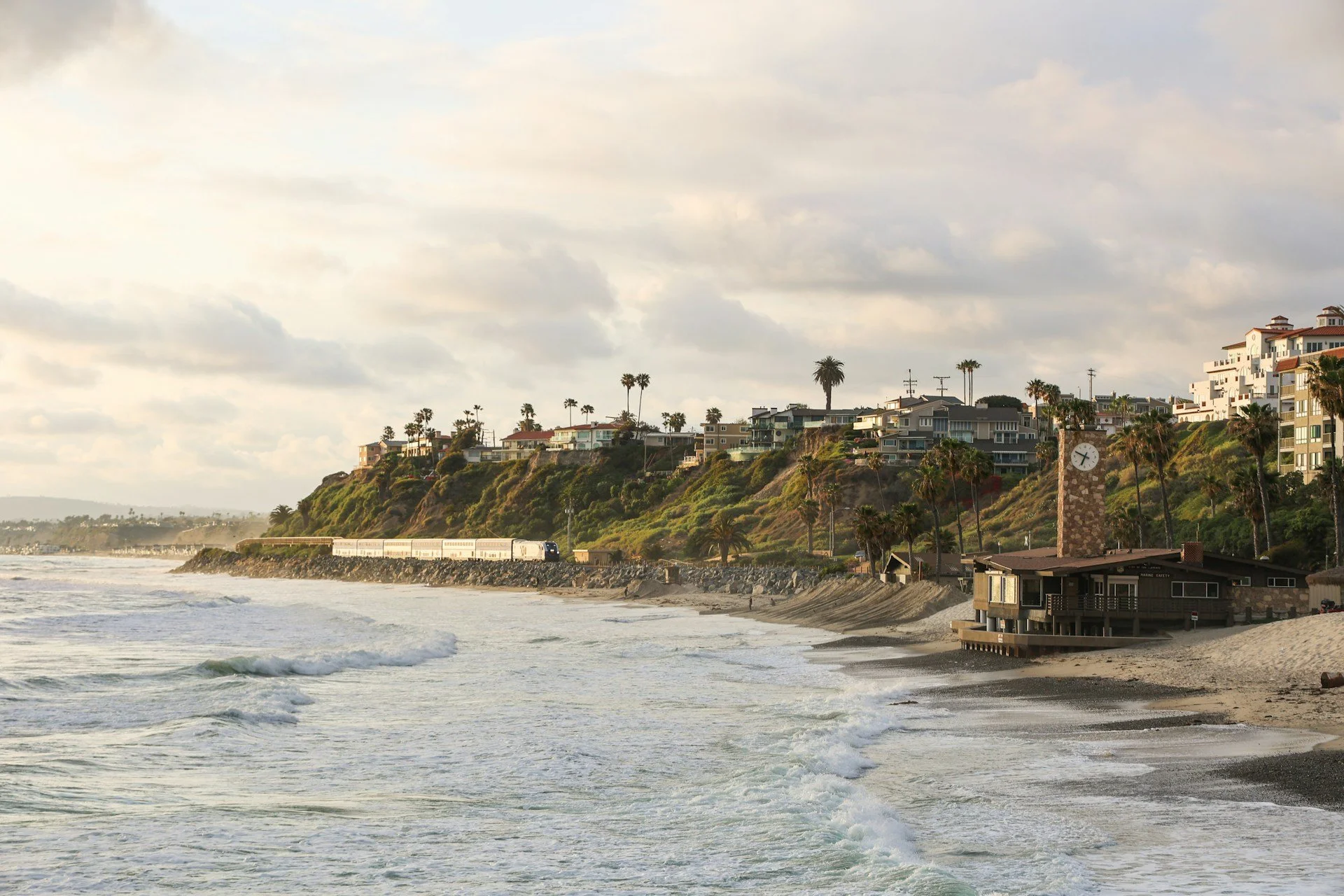
Drive down Palisades Drive toward the water and you're descending through terraces that were literally cut into the bluff nearly a century ago — a grading decision made in 1929 that still shows up in comparable sales today. As a Dana Point appraiser, Capistrano Beach and the Palisades are where I explain "location within a neighborhood" most often, because here the differences aren't subtle. They're carved into the hillside.
Doheny money built this neighborhood
Development of Capistrano Beach began in 1925, with early homes on the bluff and the Capistrano Beach Club built along the shore below. Ned Doheny — son of oil tycoon Edward L. Doheny — was behind the early development, and the Doheny family built a mansion and a run of beach homes on the Palisades above the water. The Capistrano Beach Club opened on the sand in 1928, and in January 1929 the Petroleum Securities Company — an Edward L. Doheny company — took over as developer. Their plan graded the Palisades bluff, top to bottom, into seven distinct terraces.
That terracing is the whole story. It turned one bluff into seven different elevations, each with its own relationship to the ocean view and the walk down to the sand — and each, from that point forward, its own value tier.
Two neighborhoods, one small area
Capistrano Beach today is really two adjoining but distinct products. Beach Road runs along the shore itself — small-lot, beachfront homes packed close together, the classic image of a Southern California beach street. The Palisades sit above it on those graded terraces, with larger lots, more separation between homes, and Palisades Drive as the single dramatic street connecting the bluff down to Pacific Coast Highway. What was once a private amenity for Palisades residents — Pines Park, also called Doheny Pines Park, with a gazebo, rose garden, and a staircase down to the beach — was let go in the 1960s after years of neglect, but the terraces it once served are still very much in use.
An appraiser's read: when the comp that matters most is the one 100 feet away
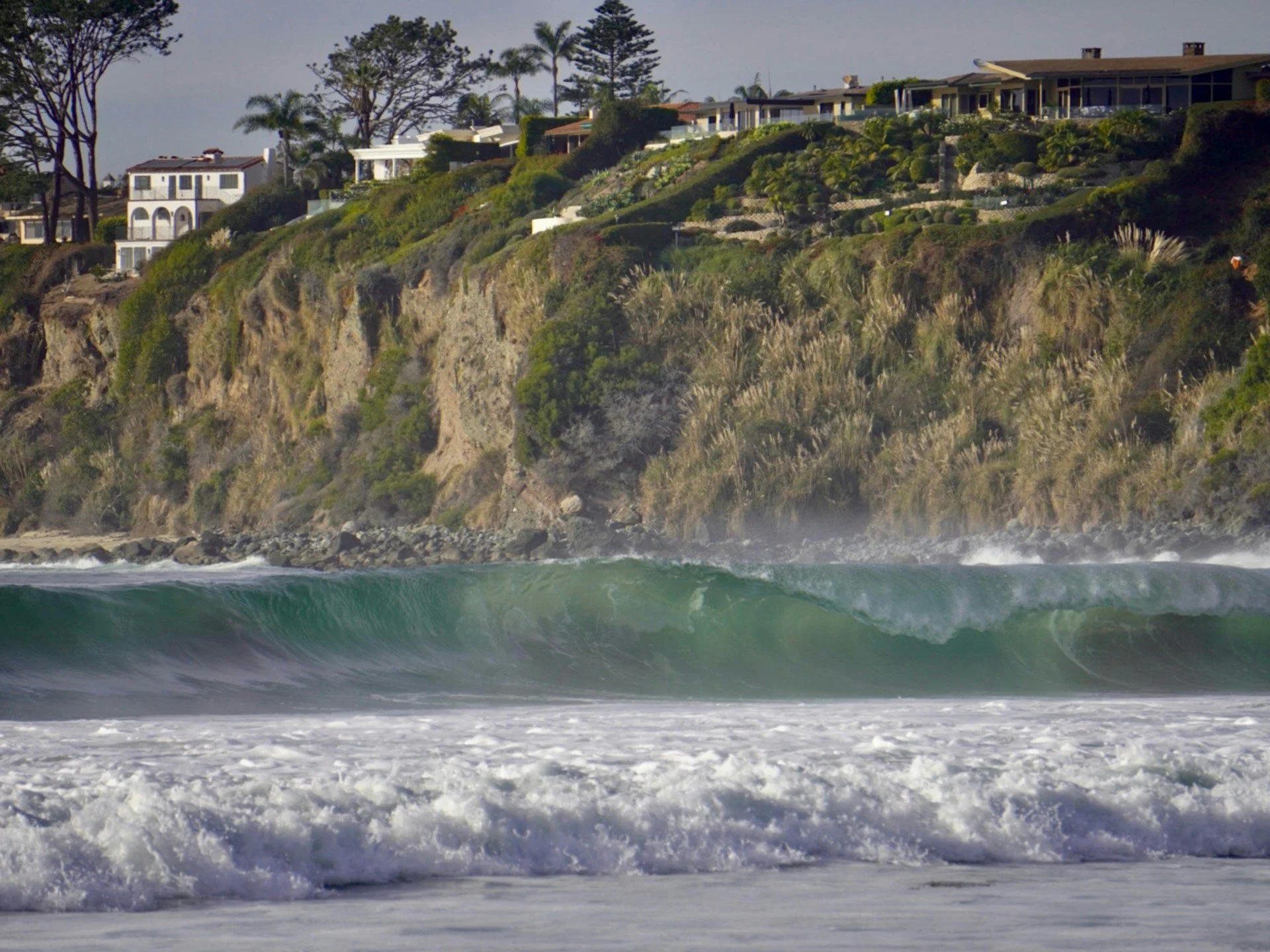
Beach Road and the Palisades are a clean illustration of why "location within a mile" undersells it — here, location within a hundred feet can be the whole ballgame.
Small-lot beachfront versus larger bluff-view lots are two entirely different products, even though they sit within a few minutes' walk of each other. Beach Road trades on direct beach proximity and that unmistakable "steps from the sand" premium, often on lots that would be considered small or oddly shaped anywhere else. The Palisades trade on view and elevation instead — the same ocean is visible from both, but from a different vantage and with a different set of tradeoffs, and buyers price that difference distinctly.
Which terrace matters, not just "Palisades" as a label. Because the original 1929 grading created seven separate levels, a home's terrace placement affects how much of the ocean it actually sees, how much street noise and traffic it's exposed to on Palisades Drive, and how much privacy it has from the terraces above and below. Two homes with identical square footage on different terraces are not the same comp — and pulling one as a stand-in for the other without adjusting for terrace-specific view and access is a common and avoidable mistake.
Bluff-adjacent parcels carry their own considerations. Homes built into or near a graded bluff face require a look at slope stability, drainage, and any geotechnical history tied to the specific terrace or lot — factors that don't apply to a flat-lot tract home a mile inland but that are a real part of due diligence here.
Street position tells you more than the address does. On Palisades Drive specifically, where a home sits along that winding descent — closer to PCH, mid-bluff, or near the bottom close to Beach Road — changes both the view profile and the practical experience of living there. An experienced local appraiser reads that street the way a broker reads a floor plan.
The bottom line
Capistrano Beach and the Palisades are proof that grading decisions made in 1929 didn't just shape the land — they shaped the value tiers that are still being priced into every sale on that bluff today. Whether you're on Beach Road or one of the seven terraces above it, getting the comp set right starts with knowing exactly which of those tiers a property actually sits on.
Frequently Asked Questions
Why do two similar-sized homes in the Palisades sell for such different prices? Almost always terrace placement — the 1929 grading created seven distinct levels above Capistrano Beach, and each one carries a different view profile, noise exposure, and privacy level. That's often the real driver behind price gaps that look confusing on paper.
Is Beach Road a good comp for a Palisades home, or vice versa? Generally, no. They're different products — small-lot direct beachfront versus larger bluff-view lots — with different value drivers. Using one as a comp for the other without significant adjustment usually produces an unreliable number.
Does slope or bluff proximity affect how a home is appraised? It can. Homes built into or near a graded bluff face may warrant a look at slope stability, drainage, and any geotechnical history specific to that lot or terrace — part of a thorough appraisal in this kind of terrain.
What happened to Pines Park (Doheny Pines Park)? It was originally a private amenity for Palisades residents, with a gazebo, rose garden, and stairway to the beach, but was allowed to deteriorate and was razed in the 1960s. It's a good example of how a neighborhood's amenities can change even as its underlying value structure — the terraces themselves — stays intact.
Do you handle pre-listing appraisals for bluff or beachfront homes in Dana Point? Yes — pre-listing appraisals are especially valuable here, where terrace and lot position can swing value more than square footage does, and an online estimate has no way to account for that.
Just Appraisals, Inc. provides independent, USPAP-compliant residential appraisals across south Orange County, including Dana Point, San Clemente, the Lagunas, and San Juan Capistrano. We specialize in date-of-death and estate valuations, divorce and litigation appraisals, and pre-listing and private-fee assignments for attorneys, agents, and homeowners.
Have a Capistrano Beach or Palisades property that needs a credible, terrace-aware value? Get in touch.