
California's Oldest Neighborhood Is in Our Backyard: Appraising Los Rios District
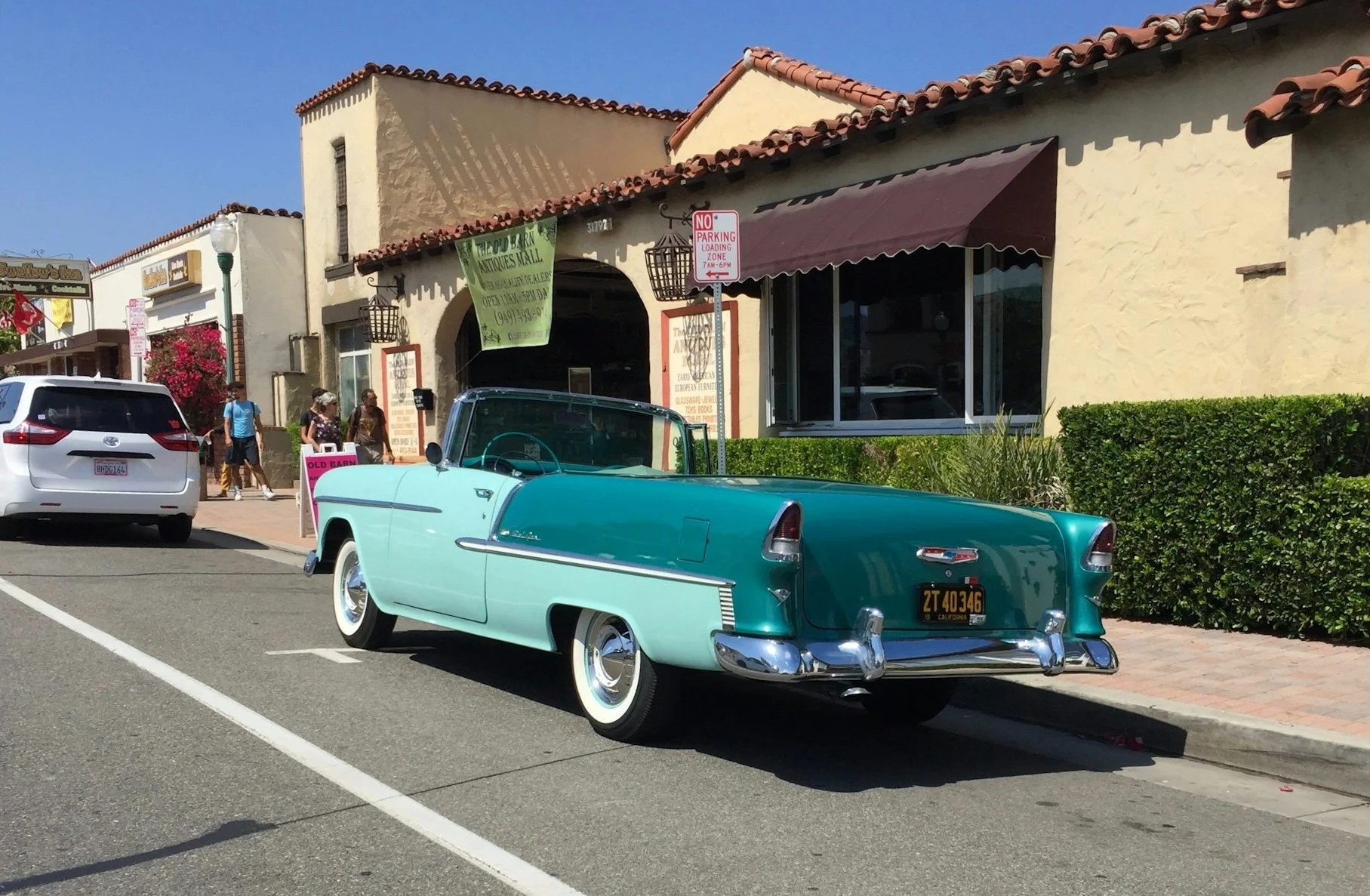
Streets in San Juan Capistrano, California
Drive down Los Rios Street in San Juan Capistrano and you're on the oldest continuously occupied residential street in California. Not "one of the oldest" — the oldest. Three adobe homes still standing there predate the state itself by more than fifty years. As a San Juan Capistrano appraiser, I've walked that street more times than I can count, and it's still the neighborhood that makes me think hardest about what "value" actually means.
A neighborhood older than the mission's neighbors
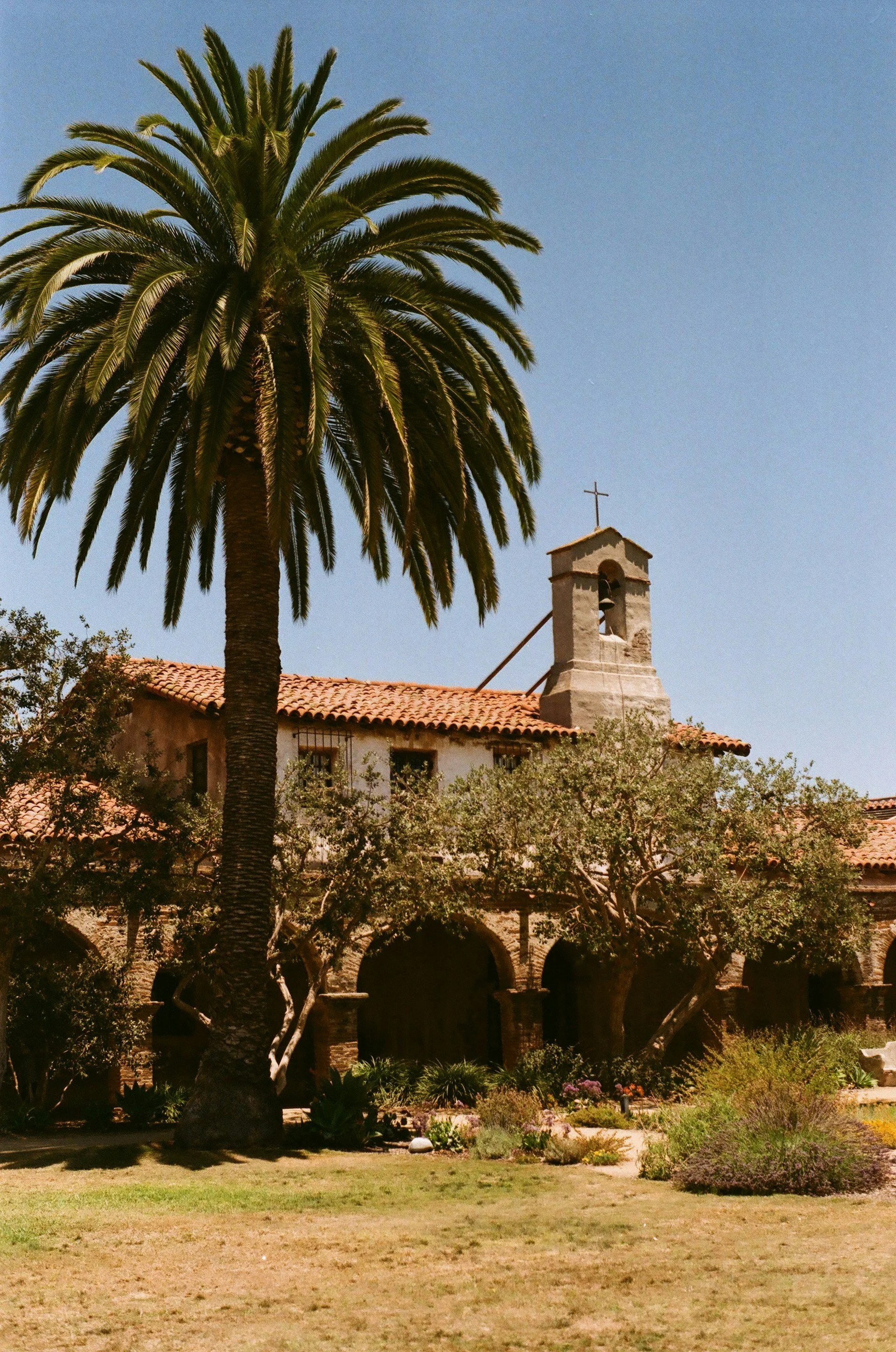
The San Juan Capistrano Mission, Orange County, California
Los Rios traces back to the late 1700s, when Mission San Juan Capistrano became the first of California's 21 missions to allow Native Americans, soldiers, and mission workers to build homes outside the mission walls. That decision created Los Rios — originally around forty adobe structures housing the people who built and ran the mission and its ranch. The land was part of the original Rancho San Juan Capistrano grant.
Most of those first adobes didn't survive the 19th century; wooden homes replaced them as the decades wore on. But three did: the Montanez Adobe, the Rios Adobe, and the Silvas Adobe. All three are still there today, among roughly forty homes on the street, most of them private residences. In 1983 the district earned a spot on the National Register of Historic Places. A handful of the old structures are now small businesses — a café, a tea house, a museum — but Los Rios has never stopped being, first and foremost, a place people actually live.
What's happening now
Los Rios isn't changing the way Dana Point Harbor or Talega are changing — no $600 million overhaul, no new construction phases. Its story is stability: the same families have owned some of these lots for generations, the historic designation limits what can be altered, and the district sits protected in the middle of a city that has grown up around it. That permanence is exactly what makes it valuable, and exactly what makes it hard to appraise.
An appraiser's read: valuing a property with almost no comparable sales
Here's the honest problem with Los Rios: there's almost nothing to compare it to. The core appraisal method — finding recent, similar, nearby sales — assumes there's a pool of similar properties trading hands. On a street with fewer than forty homes, several of them centuries-old adobes that almost never come up for sale, that pool is vanishingly small.
When comparable sales are this thin, an appraiser has to widen the lens carefully — looking at other historic-district or landmark-designated properties elsewhere in south Orange County, adjusting hard for lot size, condition, and the specific character of the district, and leaning more heavily on the cost approach and documented physical characteristics than a typical tract-home appraisal ever would. It's slower work, and it has to be, because a sloppy comp set on a property like this produces a number nobody can defend.
Historic designation cuts both ways in value.

San Juan Capistrano mission architecture
On one hand, it can be a genuine premium — scarcity, character, and prestige that buyers pay for. On the other, it often comes with real restrictions: limits on additions, renovations, and sometimes even routine maintenance materials, all of which can suppress what a buyer is willing to pay compared to a similar-sized, unrestricted lot nearby. A credible appraisal has to weigh both sides honestly rather than assuming "historic" automatically means "more valuable."
Non-conforming lots and setbacks show up constantly here.
Los Rios predates modern zoning by roughly two centuries, so lot lines, setbacks, and structure placement often don't match what current code would allow if you were building from scratch today. That affects highest and best use — what could legally replace the existing structure if it were ever removed — which in turn affects value, even when nobody has any intention of tearing anything down.
This is also where extraordinary assumptions come into play — a formal appraisal tool for stating plainly what had to be assumed because it couldn't be fully verified: the age of a wall, the date of an addition, whether a modification was permitted. On a 200-year-old adobe, that's not a technicality. It's often the difference between a defensible report and a guess.
The bottom line
Los Rios is proof that not every valuation question is about growth or change — some are about how carefully you can value something that barely has a market to measure it against. If you own, are settling an estate involving, or are simply curious about the value of a property in a historic or unusual district like this, that's precisely the kind of assignment that rewards experience over a quick automated estimate.
Frequently Asked Questions
How do you appraise a property when there are almost no comparable sales? Carefully, and by widening the search — to similar historic or landmark-designated properties elsewhere in the region, with heavier adjustments and more reliance on documented physical condition and the cost approach. It takes longer than a standard appraisal, and it should.
Does historic designation increase or decrease a property's value? It can do either. Scarcity and character often add a premium, but designation-linked restrictions on renovation and maintenance can suppress value relative to an unrestricted lot. A credible appraisal weighs both rather than assuming one direction.
What is an "extraordinary assumption" and why does it matter for older properties? It's a formal statement in an appraisal report of something that had to be assumed because it couldn't be fully verified — the age of a structure or an addition, for example. On a property this old, being upfront about what's assumed versus confirmed is what keeps the report defensible.
Do you appraise historic properties for estates and trusts? Yes — estate and date-of-death appraisals on unique or historic properties are exactly where experience with thin comp sets matters most, since the value has to hold up to IRS or court scrutiny with far less market data to lean on than a typical tract home.
Do you cover San Juan Capistrano regularly, or is this a one-off? Regularly. San Juan Capistrano is core to my south Orange County coverage, from Los Rios to the newer neighborhoods around it — more here.
Just Appraisals, Inc. provides independent, USPAP-compliant residential appraisals across south Orange County, including San Juan Capistrano, San Clemente, Dana Point, and the Lagunas. We specialize in date-of-death and estate valuations, divorce and litigation appraisals, and pre-listing and private-fee assignments for attorneys, agents, and homeowners.
Have a historic, unusual, or hard-to-comp property that needs a defensible value?Get in touch.